
Public Wi-Fi and identity theft

Many of us think nothing of using public Wi-Fi networks to catch up on emails, browse the web or check social media. However, you could be inadvertently giving away more information than you think. Many opportunistic criminals hack public Wi-Fi systems or even create their own networks to access people’s passwords and other private information. […]
Pulling the plug on computer software service fraud

On the 27th June, four people were arrested over their links to computer service software fraud – the third most reported fraud type in the UK, with 12% of reports made to Action Fraud UK concerning the issue. The average loss from this kind of fraud is £2000, with more than 33,000 reports between May […]
Ransomware: Protect yourself and your business

Just weeks after the WannaCry malware infected more than 230,000 computers in more than 150 countries worldwide, yet another form of ransomware targeted some of the UK’s largest organisations. This malware, given various names including Petya, NotPetya or Golden Eye, blocked computers, preventing users from accessing data, and demanding a ransom to release it. The […]
Mobile banking fraud: how to keep safe online

According to mobile security experts, 84% of mobile banking users are confident that their banks are completely on top of security and fraud prevention. But should they be, if more than a quarter of UK consumers that experienced banking fraud noticed the behaviour before their banks did? Mobile payments are becoming increasingly commonplace, exceeding a […]
The rise of mobile and contactless payment fraud
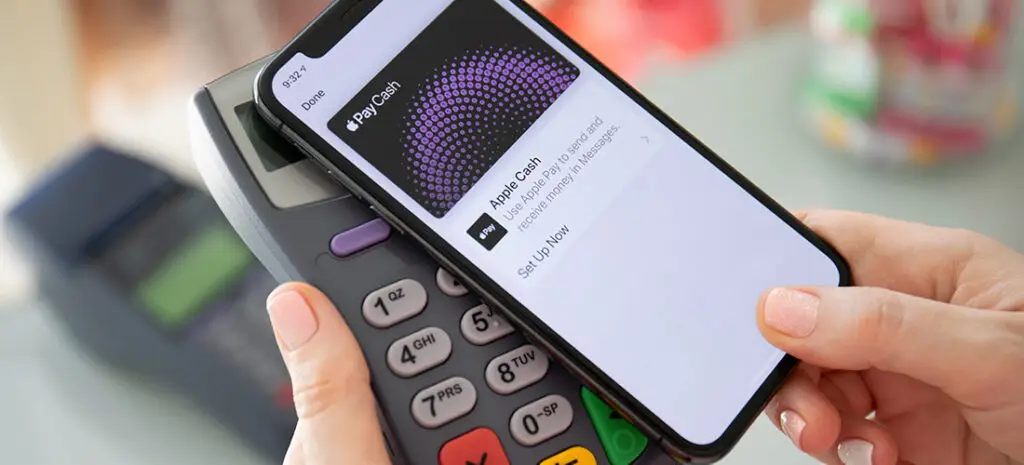
After the first contactless cards were issued throughout the UK in 2007, over the last decade the payment method has surged, and evolved. Contactless card payments with a ‘tap and go’ limit are now useable throughout most of the world, while systems such as Apple Pay and Android Pay have been introduced for the mobile […]
More travellers are falling victim to holiday fraud

Action Fraud, the UK’s national fraud and cyber-crime centre, estimates that in 2016 approximately £1,200 was lost per person as a result of holiday fraud. The number of reported cases continues to rise by 20 per cent year-on-year, increasing from 4,910 in 2015 to 5,826 last year. The report also states that 26 per cent […]
WannaCry: a worldwide wake-up call

On Friday 12th May, the largest ransomware attack in internet history rippled across the globe. The WannaCry malware struck more than 200,000 machines in 150 countries in a matter of days. The malware locks users’ files and demands $300 (£230) to regain access. By Monday 15th May approximately $50,000 worth of bitcoin payments had been […]
Smartphones v Fraudsters: The battleground for data

The latest report released by Cifas— the UK’s dedicated fraud prevention service—shows that identity fraud has reached the highest level ever recorded. According to the research, 172,919 counts of identity fraud occurred in 2016, an increase of 68 per cent since 2010. As a result, identity fraud is now responsible for more than half of […]
New campaign to raise awareness of fraud

Financial Fraud Action UK (FFA UK) has announced the launch of its new Take Five campaign which aims to raise awareness of fraud and provide practical advice for consumers. The scale of fraud in the UK is growing. Official figures released by FFA UK reveal that the overall scale of financial fraud in 2016 was […]
Telecommunications: the battle against fraud

Mobile network operators have long been targets for fraud and revenue risk. The nature of these companies’ businesses mean they generate significant revenues. If revenues are significant, as is the risk of fraud. What frauds should network operators be aware of? And, more importantly, how can they combat them? The Communications Fraud Control Association’s (CFCA) […]